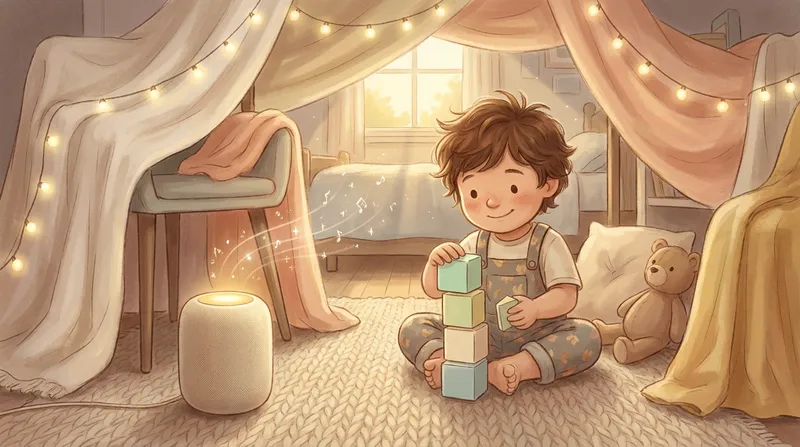
Are you watching your only guaranteed midday break disappear because your toddler suddenly refuses to sleep? You are definitely not alone. The transition from daily naps to a quiet time routine is a dreaded milestone for parents everywhere. You rely on that afternoon pause to work, catch up on chores, or simply sit in silence and recharge. When your child drops their nap, it feels like you are losing a vital piece of your own well-being.
Many parents feel immense guilt when they rely on passive screens like fast-paced video apps just to get a moment of peace. On the flip side, you might be entirely too exhausted to set up and clean up messy craft bins or constantly rotate complex activity baskets. There has to be a middle ground between guilt-inducing screen time and high-effort craft projects.
The good news is that you do not have to give up your midday break. By introducing a structured rest period anchored by mindful, low-stimulation personalized storybooks, you can reclaim your afternoon. This article will teach you exactly how to build a 45-minute independent quiet time routine that requires zero prep and keeps your child happily engaged.
The Dreaded Toddler Nap Strike: Reclaiming Your Midday Break
Every parent knows the exhaustion of the toddler nap strike. One day your child is peacefully sleeping for two hours every afternoon, and the next day they are bouncing off the walls, refusing to close their eyes. The sudden loss of that midday break can leave you feeling completely depleted by dinnertime.
It is completely normal to feel frustrated during this transition. When you are running on empty, it is incredibly tempting to hand over a tablet and turn on a flashy cartoon just to get a few minutes of quiet. While there is no shame in using screens when you need a break, many parents want a more wholesome, imagination-building alternative that does not leave their child cranky and overstimulated afterward.
Instead of fighting a losing battle over sleep, you can pivot to a structured rest period. Using beautifully illustrated, personalized storybooks offers a low-prep solution that captures your child's attention, nurtures their creativity, and gives you back your much-needed downtime.
When Do Toddlers Stop Napping? Signs It Is Time to Transition
Before you officially pull the plug on afternoon sleep, it is important to make sure your child is actually ready. According to the Cleveland Clinic, most children transition out of napping between ages 3 and 5. However, every child develops at their own pace.
Here are a few clear signs that your toddler is dropping their nap:
- Bedtime battles: They take hours to fall asleep at night because the afternoon nap gave them too much energy.
- Midday resistance: They consistently play, sing, or talk in their crib or bed for an hour instead of sleeping.
- Morning early birds: They start waking up unusually early in the morning, signaling they are getting too much total sleep in a 24-hour period.
- Consistent mood: They can skip a nap and still make it to bedtime without a massive emotional meltdown.
If you notice these signs, observe their sleep patterns for a full week before making the official switch. A single skipped nap might just be a fluke, but a week of resistance means it is time to introduce a new routine.
Why a Rest Time Routine Matters More Than You Think
It is easy to think of quiet time as just a break for the parents, but it is actually a developmental necessity for growing brains. Transitioning from nap to quiet time provides essential benefits for your child.
Guidelines shared by the American Academy of Pediatrics highlight that a midday pause prevents sensory overload and helps children self-regulate. Young children process an incredible amount of information every single day. Without a break, their nervous systems can become overwhelmed, leading to the dreaded late-afternoon tantrums.
A dedicated rest time routine allows your child to decompress. It activates independent creative thinking and teaches them how to enjoy their own company. So, give yourself permission to prioritize this routine without an ounce of guilt. You are giving your child a necessary mental break while preserving your own energy to be a patient, present parent in the evening.
How to Introduce Quiet Time: A Step-by-Step Guide
Introducing a new rule to a strong-willed toddler requires patience and a gentle approach. You cannot simply tell a three-year-old to stay in their room for an hour and expect it to work on the first try.
Follow these actionable steps to introduce the concept:
- Rebrand the experience: Do not call it a nap. Call it "Big Kid Rest Time" or "Story Adventure Time." Framing it as a privilege for big kids makes it instantly more appealing.
- Use visual cues: Toddlers do not understand time. Use a color-changing toddler clock (where red means stay in the room and green means come out) or a large sand timer. This sets clear, undeniable boundaries.
- Create a cozy environment: Make their room inviting. Set up a special floor cushion, a soft blanket, or a small tent.
- Start small and celebrate: On the first day, set the timer for just five minutes. When they succeed, praise them enthusiastically. You can even read a special personalized story, like Pip's Gigantic Climb, together as a reward for staying in their room.
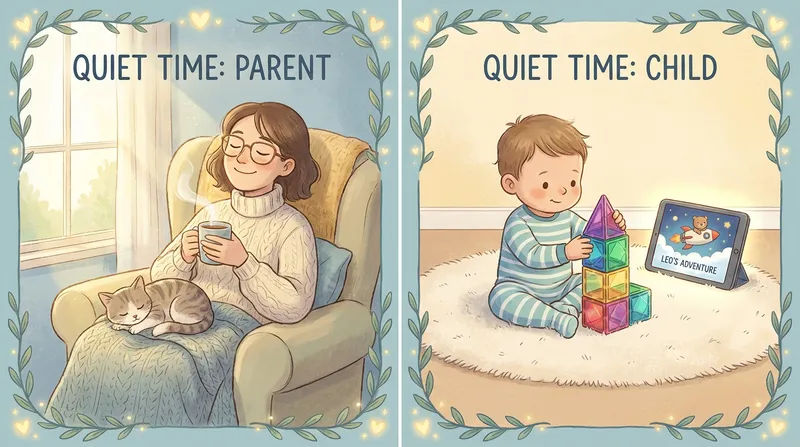
How Long Should Quiet Time Be?
When figuring out how long quiet time should be, managing your own expectations is the secret to success. If you expect a full hour on day one, you will end up frustrated.
For the first week, aim for 10 to 15 minutes. Your child is learning a brand new skill: independent play. Once they master 15 minutes without calling for you, increase the timer to 20 minutes. Gradually build up the duration over the course of a month.
Your ultimate goal should be a solid 45 to 60-minute block of independent rest. This is the sweet spot. It is long enough for you to drink a hot cup of coffee or answer emails, and it is the perfect amount of time for a preschooler to recharge without getting bored.
Building the Ultimate 45-Minute Quiet Time Schedule
To make a 45-minute block successful, you need a predictable structure. Breaking the time down into manageable chunks helps your child understand what to expect. Here is a highly effective, minute-by-minute schedule you can implement today:
Block 1: The Setup (10 Minutes) Start with a transitional activity. Bring your child to their room, dim the lights slightly, and offer a small, dry snack (like crackers) and a cup of water. Spend five minutes helping them choose their activity for the day. This transition period signals that the busy part of the day is pausing.
Block 2: The Story Anchor (25 Minutes) This is the core of your rest time routine. Sit down for the first few minutes to read an engaging, personalized storybook together, or let them independently explore the vibrant illustrations of an adventure where they are the hero. A fantastic example of a captivating adventure is Luna's Moon Quest. As they look at the pictures and recall the story, they can sit quietly or engage with a simple, mess-free toy.
Want to try this routine today? Download Dreamcraft Tale and create your first personalized story in minutes to anchor your afternoon break.
Block 3: The Independent Wrap-Up (10 Minutes) As the story time wraps up, let your child enjoy 10 minutes of pure independent play in the lingering quiet. When the visual timer turns green, enter the room with a big smile and praise them for doing such a wonderful job resting their body.
The Secret Weapon: Mindful Screen Time and Storybooks
If you have ever tried to maintain a quiet time basket, you know the struggle. Constantly buying new toys, rotating items so they do not get boring, and cleaning up the inevitable mess takes almost as much energy as parenting through the afternoon.
This is why personalized storybooks are the ultimate secret weapon. They provide a zero-effort anchor that requires absolutely no cleanup. More importantly, they offer incredible cognitive benefits.
Experts at PBS SoCal note the immense value of reading and storytelling for developing brains. Reading together or letting your child look through a digital storybook requires active imagination, which keeps kids anchored in one spot without overstimulating their nervous systems the way a flashy cartoon would. For a great example of a story that sparks creativity, try reading Justine and the Magical Paintbrush together.
Why Dreamcraft Tale is the Perfect Quiet Time Anchor
Finding low-stimulation activities that actually hold a child's attention is genuinely hard. Generic books are great, but a toddler's attention span can drift if the story does not directly relate to their interests. This is where Dreamcraft Tale changes the game entirely.
Dreamcraft Tale is an AI-powered illustrated storybook app that allows you to create personalized stories where your child is the actual hero. Every story comes to life with vibrant, custom illustrations that match your child's adventure, making the reading experience visually immersive even during quiet time.
With our simple 3-step process (Imagine, Create, Read), onboarding is effortless. You can co-create the story prompt with your child during breakfast. Ask them, "What kind of adventure should we make for your rest time today? Do you want to be a pirate or an astronaut?" This builds anticipation all morning long. You can even explore fun, animal-themed adventures like Rosie's Animal Show! to get their imagination flowing.
On days when you are too tired to craft a prompt, you can browse thousands of ready-made stories created by families worldwide in our Shared Story Library. It is instant, zero-effort content ready to anchor your quiet time block.
Furthermore, Dreamcraft Tale provides a completely ad-free, COPPA-compliant, and safe environment. Once generated, stories can even be read offline. You never have to worry about your child accidentally clicking on an inappropriate video or an annoying pop-up ad while you are in the other room. And while it is perfect for quiet time, it is equally magical for bedtime routines, long car rides, or sick days.
Low-Prep Quiet Time Activities for Preschoolers to Pair with Stories
While storybooks do the heavy lifting of keeping your child engaged, little hands often need something to do while they process the adventure. The key to successful quiet time activities for preschoolers is choosing items that are completely mess-free and require zero adult supervision.
Here are some excellent, low-prep ideas to pair with their daily story:
- Magnetic tiles: These are quiet, easy to build with, and practically clean themselves up.
- Water reveal books: Your child paints with a water pen to reveal colors. It is entirely mess-free.
- Chunky building blocks: Classic wooden or large plastic blocks are perfect for open-ended play.
- Sticker activity pads: Reusable sticker books allow for endless, quiet creativity.
- Coloring books and chunky crayons: Stick to crayons rather than markers to avoid accidental wall art.
By keeping these activities simple, you avoid the stress of complex craft bins. If your child loves animals, you could pair a coloring book with a fun story like Leo and the Pet Pictures for a perfectly themed afternoon.
Conclusion: Reclaim Your Break with Magical Storytelling
Transitioning from nap to quiet time does not have to mean the end of your midday break. By understanding the signs that your toddler is dropping their nap and implementing a structured routine, you can create a peaceful afternoon for both of you.
Remember that consistency is the key to making this transition successful. Start with short increments of time, use clear visual boundaries, and lean on the magic of personalized, illustrated storybooks to keep your child happily anchored in their room.
Are you ready to turn a stressful afternoon into a magical, imagination-building experience? Download Dreamcraft Tale today and create your child's first personalized story in minutes to watch their independent play skills soar.
Frequently Asked Questions
What if my toddler refuses to stay in their room during quiet time?
It is very common for toddlers to test boundaries. Use a visual timer and start with very short intervals, like five minutes. Offer high-value rewards, such as a special Dreamcraft Tale story that you will read together only if they stay in their room until the timer turns green.
How is reading on a tablet different from watching a movie?
Passive screen time (like TV or fast-paced videos) overstimulates the brain and often leads to crankiness or tantrums when the screen is turned off. Exploring a digital storybook, on the other hand, encourages active imagination, mindful pacing, and provides true mental rest without the flashy distractions.
When should my 4-year-old be able to play independently?
Independent play is a learned skill that begins around age two or three. By age four, most children can sustain 45 minutes of independent play if they are given the right engaging environment, clear boundaries, and a consistent daily routine.
Can I use quiet time basket ideas instead of digital stories?
Yes, activity baskets are wonderful, but they require constant parental prep, purchasing of new items, and daily cleanup. A personalized storybook app provides a zero-prep anchor that can be easily combined with simple, everyday toys you already own.
What do I do if my child falls asleep during their rest time routine?
Do not panic! Occasional naps are entirely normal during this transition phase, especially if they had a highly active morning. Simply wake them gently after 45 minutes so the late nap does not disrupt their normal nighttime sleep schedule.