
That little backpack looks so big, doesn't it? One minute you're teaching them to walk, and the next, you're labelling lunchboxes and trying on a school uniform that seems impossibly small and grown-up all at once. The milestone of starting 'big school' in Australia is a whirlwind of pride, excitement, and, if we're being honest, a healthy dose of parental anxiety.
You're not just worried about them navigating the new rules and finding the toilets. You're feeling the weight of their own unspoken fears. That wobble in their lower lip, the little hand that grips yours a bit tighter-it's the profound anxiety of seeing your child scared and feeling powerless to truly prepare them for this giant leap. While checklists are helpful, they don't soothe the fear of the unknown.
But what if you could do more than just talk about it? What if you could turn their first-day jitters into an epic adventure, with them as the hero? Here's a magical strategy that goes beyond tips and tricks: creating a personalized story to help them conquer their first day of school with confidence.
Starting 'Big School' in Australia: How to Turn Jitters into an Epic Adventure
The transition to school is a huge developmental step. For a child, it's like stepping into a whole new world with its own set of characters, rules, and landscapes. The Australian parenting experts at the Raising Children Network emphasize that preparing for this change by building familiarity and talking positively is key. But we can take that one step further.
Instead of just reading a generic book about a cartoon bear who goes to school, you can create a story where your child, with their own name and personality, is the star of the show. This isn't just a cute activity; it's a powerful tool for emotional preparation.
Why a Personal Story is Your Secret Weapon Against School Anxiety
You may have heard of "social stories." They are simple narratives used to help children understand social situations and expectations. The Australian family support organization Belongside recommends them as a powerful strategy for easing the transition to school. A story can walk a child through a new experience step-by-step, making the unknown feel predictable and safe. Dreamcraft Tale specializes in creating exactly these kinds of personalized narratives, with your child as the confident protagonist.
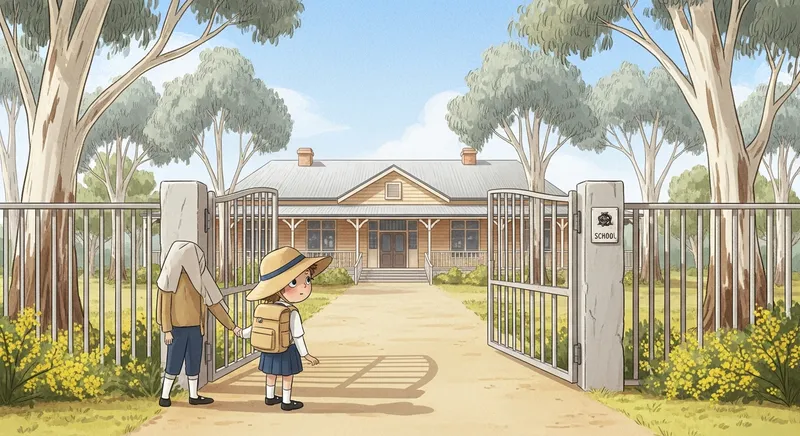
But the real magic happens when the story is personal. When your child is the protagonist, it does more than just explain a routine. It builds their self-confidence and empowers them. They aren't just hearing about a brave character; they are rehearsing being that brave character themselves. This process is a foundational way to build resilience, which mental health experts at Beyond Blue identify as a crucial skill for navigating new challenges. A child who feels shy or uncertain, like the character in Raquel and the Shy Moonbeam, can practice feeling brave in the safety of a story you create together.
How to Co-Create Your Child's 'First Day Hero' Story: A Step-by-Step Guide
Ready to become a storyteller? Grab a notepad and let's craft this adventure together. Frame it as a fun activity, not a lesson. Here's how you can structure your child's unique story:
The Hero's Introduction: Start the story with your child's name and one of their amazing qualities. "This is the story of the adventurous Chloe, whose superpower is giving the best hugs in the whole world!" or "Meet the amazing Leo, who is the kindest friend to every animal he meets."
The Quest is Revealed: The grand quest is to start Prep/Kindergarten! Describe it as an exciting mission. "And soon, Chloe was about to start her biggest adventure yet: The Quest for Kindergarten!" Talk about all the fun things the quest involves, like playing, learning new things, and making new friends.
Mapping the New World: This is where you build familiarity. Describe the morning routine in story form. "The morning of the quest, Chloe put on her special uniform and ate her super-powered breakfast." Talk about the drive to school, and what the school gate and classroom door look like. As experts from Belongside suggest, using photos of the actual school, classroom, and bag hooks can make the story even more powerful.
Meeting the Wise Guide: Introduce the teacher by their name. Frame them not as a boss, but as a friendly guide for the adventure. "At the classroom door, she would meet her wise guide, the kind Mrs. Davison, who helps all the heroes on their quests."
The First Challenge (The Goodbye Hug): This is a crucial scene. Don't skip it or gloss over it. Frame the goodbye as a loving and brave moment. "Chloe would give her mum the biggest superpower hug in the world. It was a special hug that would keep them connected all day long, even when they were apart. Then, with a brave wave, the quest would truly begin!"
The Adventure Unfolds: Now, imagine the fun! Describe specific, positive scenarios. "Leo would find his special hook with a picture of a lion on it to hang his hero bag. In the playground, he would discover a giant sandpit, perfect for digging for treasure. At lunchtime, he would open his lunchbox to find his favourite brain-food snacks." This is a great place to imagine overcoming a challenge, just like the hero in Pip's Gigantic Climb.
The Triumphant Return: Every hero's journey ends with a return home. Describe the joy of pickup. "And just like she promised, Mum would be waiting at the gate at the end of the day, ready for a triumphant hug and to hear all about the incredible adventures of Chloe's first day."
Read this story every night for a week or two before school starts. Let your child add details. The more they own the story, the more they will own the experience.
The Dreamcraft Tale Shortcut: Your Story, Beautifully Illustrated
Creating this story by hand is a powerful bonding activity. But what if you could generate a beautifully illustrated version in minutes, turning your ideas into a professional-looking picture book? That's where Dreamcraft Tale comes in.
Our app takes your hero, their quest, and your key details and uses AI to write and illustrate a unique story. The simple 3-step process (Imagine, Create, Read) makes it easy for any parent to become a master storyteller.
Dreamcraft Tale Makes It Easy: ✓ Your child becomes the star of the story. ✓ Personalize details like their school, teacher, and friends. ✓ Get beautiful, unique illustrations for every page. ✓ Create a complete story in minutes, not hours.
Your Australian School Readiness Checklist (The Fun Version!)
Forget boring checklists. Let's reframe school readiness as preparing your hero for their quest. According to the NSW Department of Education, a positive transition to school is built on play-based learning and developing social competence. Here's what matters:
- Emotional & Social Prep: Does our hero know how to ask for help from their Wise Guide (the teacher)? Can they practice using their happy and confident voice, like in the story of Lily's Happy Voice? A meta-analysis published in the Encyclopedia on Early Childhood Development found that teachers consistently rate these social and emotional skills as more important for school readiness than academic abilities.
- Practical Skills Prep: Can our hero pack and carry their own adventure bag? Can they open and close their lunchbox without help? Practice trying on their uniform, or "hero costume," so it's comfortable and familiar.
- Familiarity Prep: Have you visited the "castle grounds" (the school playground) on a weekend? This helps demystify the big, new space and makes it feel like a place for fun.
Pro-Tip for Busy Parents: Feeling short on time? Use the Dreamcraft Tale app to generate a personalized school story in under three minutes. Or, for instant inspiration, browse thousands of school-themed stories in our Shared Story Library, created by families who've been exactly where you are.
What to Expect in the First Week: A Parent's Survival Guide
Even with the best preparation, the first week can be a rollercoaster. Here's how to navigate it, with guidance from resources like the Victorian Government's positive start to school initiatives.
- The Drop-Off: Tears are normal and a healthy sign of attachment. The key is a loving but confident goodbye. Acknowledge their feeling ("I know you feel a bit sad to say goodbye"), give a warm hug, state the plan clearly ("I will be back to pick you up right after story time this afternoon"), and then hand them over to the teacher and leave. Lingering often makes it harder for everyone.
- After-School Meltdowns: Don't be surprised if your perfectly behaved child comes home and has a total meltdown. They have been "holding it together" all day in a new, stimulating environment. They are exhausted and finally feel safe enough to let their big feelings out with you. The best remedy is a simple snack, a big cuddle, and quiet time, not a twenty-questions interrogation about their day.
Your Story is Just Beginning
That first day of school is just Chapter One of an incredible new book. You have given your child the most powerful tool of all: the belief that they are the hero of their own story. You've shown them that even when things feel scary, they have the bravery, the kindness, and the resilience to turn a challenge into an adventure.
Ready to turn your hero's first day into a masterpiece? Download Dreamcraft Tale and create your personalized school story for free today!
Frequently Asked Questions About Starting School
What is the most important skill for school readiness in Australia?
While knowing some letters and numbers is great, research and educators overwhelmingly agree that social-emotional skills are the most critical. According to a wide-ranging review in the Encyclopedia on Early Childhood Development, skills like cooperation, empathy, and self-care are what teachers prioritize. Mental health organization Beyond Blue adds that the ability to manage emotions and build supportive relationships is the core of the resilience children need for school.
How do I handle separation anxiety at the school gate?
The key is a quick, positive, and predictable routine. Acknowledge their feeling ("I can see you're sad, and that's okay"), offer a warm and confident hug, and state a clear promise ("I'll be back right after you finish your day!"). Then, make a swift handover to the waiting teacher. A confident and calm departure from you shows them that they are in a safe place and that you are confident in their ability to cope.
My child is refusing to go to school, what should I do?
First, stay calm and validate their feelings. Differentiate between first-day jitters and a more persistent refusal. For ongoing issues, it's vital to communicate with the school immediately. Your child's teacher is your partner in this. Work with them to identify specific fears. You can then revisit your "hero story" to add new scenes that address these worries, giving your child a plan to overcome them.
What should I pack in my child's lunchbox for their first day of prep?
Simplicity is best! Pack familiar foods that you know your child likes and can eat easily. Make sure they can open all the containers themselves. Most Aussie schools have a morning "fruit break" or "brain food" time, so pack a separate piece of fruit or vegetable for that. Always check your school's allergy policy, as many are nut-free zones.
How can I help my child make friends at their new school?
Friendships take time, so reassure your child (and yourself!) of this. You can use your hero story to role-play simple greetings, like how to say "g'day" or ask another child their name. Talk about taking turns and sharing toys in the playground. Most importantly, building your child's general self-confidence through your story will give them the inner bravery they need to approach others and begin building those first precious friendships.