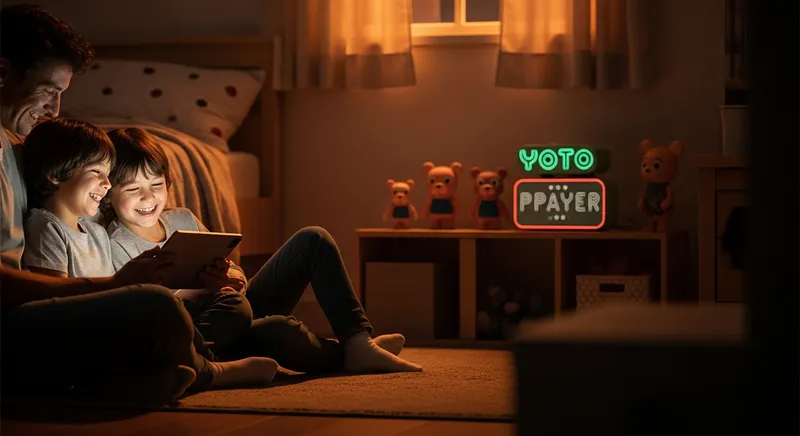
Is Your Child Outgrowing Their Yoto or Toniebox? The Next Step in Interactive Storytelling
If you own a Yoto Player or a Toniebox, give yourself a pat on the back. You've made a fantastic choice to fill your home with stories, music, and learning, all without handing over a phone or defaulting to a TV show. You've seen the benefits firsthand: hours of independent, screen-free listening, a growing vocabulary, and a genuine love for stories.
But lately, you might have noticed a shift. The requests for the same handful of stories are dwindling. Your child, now a confident 7 or 8-year-old, is getting bored. You feel that pang of concern, watching an expensive and once-loved device gather a little dust. You've worked so hard to build a screen-free foundation, but now you're wondering, what comes next?
What if the next step wasn't just finding new stories for them to listen to, but helping them create their own?
Why You Love Your Audio Player (And the Signs It's Time for More)
Let's be clear: screen-free audio players are magical. They build crucial listening skills, foster independence, and provide a calm, engaging alternative to overstimulating screens. For toddlers and preschoolers, they are often the perfect introduction to the world of narrative.
But children grow, and their incredible brains develop. The same imagination that was captivated by a simple story last year is now capable of so much more. This isn't a problem with your audio player; it's a sign of your child's amazing growth! It's a developmental milestone to be celebrated.
Here are a few signs your child is ready to level up their storytelling experience:
- The 'What If' Game: They interrupt stories to ask, "But what if the knight was friends with the dragon?" or "What if the princess wanted to be an astronaut instead?"
- Creating New Endings: They tell you how the story should have ended, often with a more creative or silly twist.
- The Content Gap: You find yourself searching for content for older kids and coming up short. As review sites like MadeForMums note, while these players have some content for older kids, their core libraries are often focused on the 3-to-7 age range.
- Character Invention: During imaginative play, they invent complex backstories for their dolls, LEGO figures, or even household objects.
- General Boredom: The simplest sign of all. The novelty has worn off, and they're seeking a new challenge.
If any of these sound familiar, it means your child's imagination is expanding. They are ready to move from a consumer of stories to a creator.
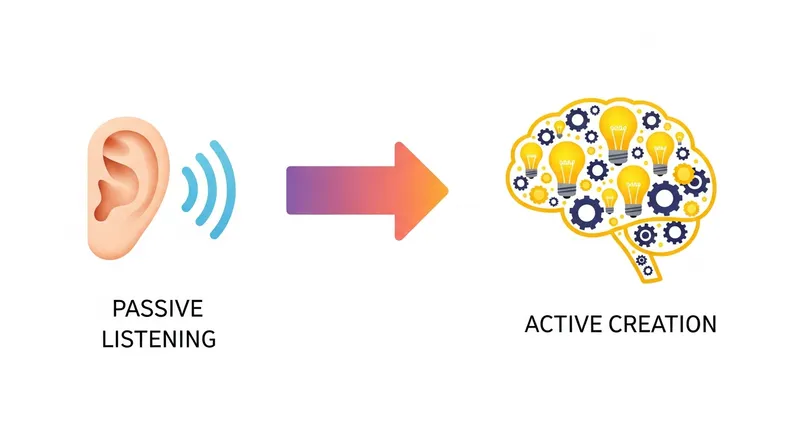
The Leap from Passive Listening to Active Creation
Think of it like music. Passive Listening is like putting on your favorite album. It's wonderful, enriching, and builds an appreciation for music. This is the world of Yoto and Toniebox-a crucial, foundational stage.
But Active Creation is like learning to play an instrument. It's a deeper, more engaging process where you don't just appreciate the music; you understand its structure, feel its rhythm, and express your own melody. You are making the magic happen.
When a child co-creates a story, they are exercising their creative muscles in a profound way. This isn't just fun; it's a powerful tool for cognitive development. Research from the Wisconsin Department of Children and Families shows that children who engage in plentiful imaginative play excel in 'executive functioning' (the set of mental skills that includes impulse control, focus, and creative problem-solving).
By moving from simply listening to co-creating, you are giving your child the tools to build their own worlds, solve their own problems, and become the hero of their own narrative.
Why Co-Creating Stories is a Developmental Superpower
When you and your child build a story together, you're doing more than just passing the time. You are unlocking a set of developmental superpowers that will serve them for life. Research shows that creating stories is a powerful way for children to process challenges, develop empathy, and build problem-solving skills.
Here are just a few of the benefits:
Builds Rock-Solid Confidence: When children are the authors of their own tales, they see their ideas valued and brought to life. Making them the main character-the brave knight, the clever scientist, the kind friend-is incredibly empowering. It teaches them that their voice matters, just like in stories such as Lily's Happy Voice.
Enhances Empathy and Emotional Intelligence: Creating stories gives children a safe space to explore complex emotions. They can work through a fear of the dark by creating a character who befriends the shadows, or understand friendship by navigating a character's disagreement.
Boosts Literacy and Communication: Co-creation is a vocabulary-building machine. As you explore new ideas together, you can improve your child's literacy skills. Children are not just hearing new words; they are actively choosing them to describe their world. This active participation deepens their understanding and love of language.
The Perfect Next Step: An Interactive Storytelling App
So, how do you make this leap from passive listener to active creator without reintroducing the very screens you've tried to avoid? The answer isn't another device-it's a different kind of activity. One that's collaborative, time-limited, and focused on creation rather than consumption.
This is where Dreamcraft Tale comes in. It's an AI-powered app perfect for children ages 5-10 who are ready for their next creative challenge. It's not about passive screen time; it's about active, shared creation.
With Dreamcraft Tale's simple 3-step process (Imagine, Create, Read), even tired parents can help generate a beautifully illustrated, completely unique story in minutes. And because it's ad-free, you maintain that screen-aware philosophy you've worked so hard to build.
For example, when 8-year-old Emma said she wanted a story about a shy moonbeam who was afraid of the dark, her mom didn't have to say, "I don't have a book about that." Together, they created Raquel and the Shy Moonbeam in minutes. Seeing her daughter's face light up when she realized she made that story-that's the magic.
Already a 'Make Your Own' Yoto Card Pro? You're Ready for This.
There's a special group of parents out there who are already on the path to active creation: the 'Make Your Own' (MYO) Yoto card wizards. You've spent hours searching for MP3s, recording yourself reading, and carefully linking files to blank cards. Your creativity and dedication are amazing!
You've already realized that the pre-made library isn't always enough for your child's boundless imagination. You are already a story creator.
Now, what if you could take that creative impulse to the next level? What if, instead of just finding a pre-existing audiobook, you could generate a completely new, personalized, and professionally illustrated story in minutes? A story about a magical paintbrush, perhaps, like Justine and the Magical Paintbrush.
Dreamcraft Tale is the ultimate, seamless version of the MYO spirit. It takes the creative desire you already have and removes all the friction, leaving only the pure, joyful act of creating a story with your child.
Frequently Asked Questions
What age is a child 'too old' for a Toniebox or Yoto Player?
There's no magic number, but many parents notice a shift around ages 7 to 9. The key isn't the age on their birth certificate, but the stage of their development. When their desire to create and ask "what if?" starts to outweigh their desire to simply listen, they're ready for the next step. Trusted sources often note that while content exists for older kids, the main appeal is for the younger 3-to-8 crowd.
What is a good screen-free alternative to a Toniebox for an 8-year-old?
The best alternative isn't always another device, but a shift in the activity itself. Instead of more passive consumption, look for active creation. An app like Dreamcraft Tale is used with a parent for a short, focused, creative session. It's a tool for bonding, not a digital babysitter, keeping the experience collaborative and avoiding the pitfalls of solo screen time.
What comes after the Yoto Player?
After mastering passive listening, the natural next step is active participation. This might start with using 'Make Your Own' cards to add your own audio. The ultimate next step is moving into full story creation, where your child's ideas form the foundation of the narrative, building their confidence and problem-solving skills.
How can I make my Yoto Player more interactive?
Using 'Make Your Own' cards is a fantastic way to start! You can record your own family stories or find other audio to put on them. For the ultimate interactive experience, you can use Dreamcraft Tale to create a unique story with your child, then record yourself reading it and put that audio onto a blank Yoto card. You get the best of both worlds: active creation and screen-free listening.
Are there audio players for tweens?
Yes, but as kids enter the tween years, their needs change. Audio players for this age often start to look more like smartphones, with access to apps, web browsers, and the distractions that come with them. The goal shouldn't be to just find a new device, but to find age-appropriate activities. Collaborative story creation offers the complexity and engagement a tween craves without the downsides of an internet-connected personal device.
From Listener to Creator: Start Your Family's Next Chapter
You started this journey with a commitment to screen-aware learning and imaginative play. You gave your child a wonderful gift: a love for stories. Now, as they grow, you can give them an even more powerful one: the confidence to tell their own.
This isn't about replacing a beloved toy or admitting defeat. It's about honoring your child's development and embracing the next exciting phase. You're moving from story time to story making, and that's a beautiful, magical evolution.
Ready to see where their imagination takes you? Create your first story together and start your family's next great adventure.